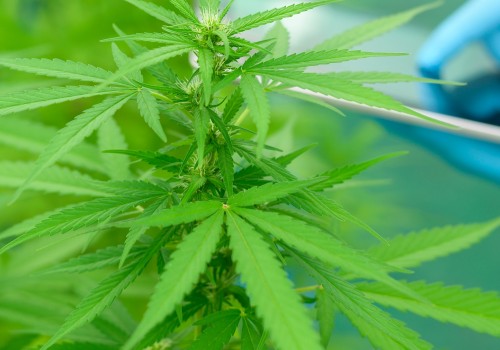
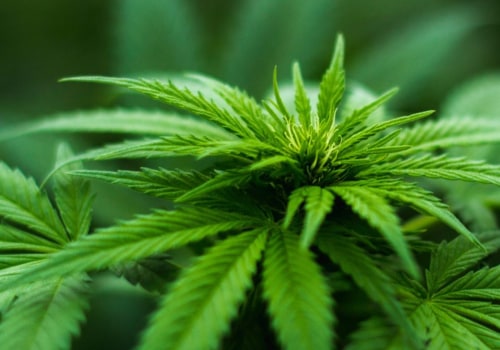
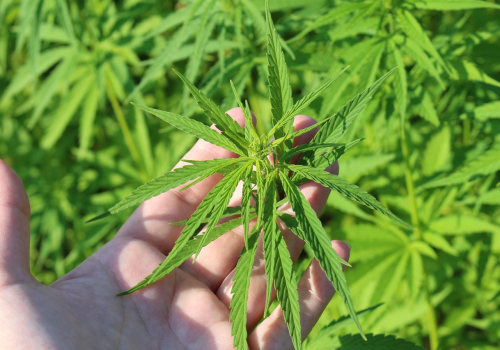
Medical marijuana has become part of broader conversations about personalized healthcare as researchers, clinicians, and patients continue exploring how cannabinoids may fit into treatment plans. Medical cannabis refers to cannabis or cannabinoid-based products used for health-related purposes under applicable laws and professional guidance. Its potential role can vary depending on the condition being addressed, the product's cannabinoid profile, dosage, delivery method, and individual response. Because cannabis can produce side effects and interact with medications, patients should discuss its use with a qualified healthcare professional rather than assuming that a particular product is appropriate. Tomorrow's healthcare may increasingly emphasize individualized decision-making while continuing to rely on clinical evidence, safety considerations, and careful monitoring.
Exploring the Mind-Body Connection
The relationship between physical and psychological wellness is an important consideration in comprehensive healthcare. People managing chronic discomfort or other ongoing health concerns may experience changes in sleep, mood, concentration, activity levels, and social participation. At the same time, stress and emotional challenges can influence how individuals experience physical symptoms and maintain daily routines. This does not mean physical conditions are simply psychological. Instead, it recognizes that health is experienced by the whole person. A mind-body approach may combine appropriate medical treatment with healthy lifestyle habits, physical activity, stress-management strategies, and psychological support when needed.
Considering Personalized Treatment Strategies
One of the potential advantages of modern healthcare is the ability to move toward more personalized treatment strategies. Instead of assuming that one intervention works equally well for everyone, providers can consider medical history, symptoms, lifestyle, preferences, and treatment goals. When medical marijuana is considered, these factors may influence whether cannabis is appropriate and how its potential benefits and risks should be evaluated. Patients can ask healthcare providers about available evidence, possible side effects, interactions with current medications, and alternative treatments. Regular follow-up can also help determine whether a treatment is providing meaningful benefits or whether adjustments are necessary.
Supporting Emotional and Psychological Wellness
Medical marijuana should not be viewed as a universal solution for anxiety, stress, depression, or other psychological concerns. Cannabis can affect people differently, and some individuals may experience increased anxiety, impaired concentration, changes in mood, or other unwanted effects. When emotional concerns are persistent or interfere with daily life, professional psychological care may be more appropriate. Resources such as Cabot Psychological Services Minneapolis MN can provide support for individuals working through emotional challenges, developing coping strategies, and improving psychological well-being. Psychological services can complement medical care by addressing the emotional and behavioral aspects of health while patients and providers evaluate appropriate physical treatments.
Looking Toward Tomorrow's Healthcare
Future healthcare may increasingly emphasize collaboration between different areas of medicine, allowing physical and psychological needs to be considered together. Medical professionals, mental health providers, rehabilitation specialists, nutrition professionals, and other qualified practitioners can contribute different perspectives when appropriate. Digital health tools and improved research may also help providers monitor treatment responses and personalize care more effectively. However, innovation should remain grounded in safety, clinical evidence, informed consent, and responsible patient education. As research into cannabis and cannabinoids continues, clearer information may help healthcare professionals and patients better understand where these therapies may fit within broader treatment plans.
Taking a Whole-Person Approach
Medical marijuana represents only one part of the evolving healthcare landscape. A comprehensive approach to wellness can include preventive care, appropriate medical treatment, regular movement, nutritious eating, adequate sleep, meaningful relationships, stress management, and psychological support. Individuals considering medical cannabis should evaluate it within this larger context rather than viewing it as a standalone answer to complex health concerns. Ultimately, tomorrow's healthcare may be most effective when it combines scientific evidence with individualized care and attention to the patient's lived experience. By recognizing the connections between physical health, emotional wellness, lifestyle, and personal goals, healthcare providers can help individuals make informed decisions while working toward improved function, resilience, and overall quality of life.